We have compiled a list of screen-free activities for families to do together and to create those wonderful family memories!
Where will we all be without our smartphones, tablets and other digital devices? Not only does it keep us entertained and help us educate ourselves, but it also helps to keep the little ones occupied, especially now when we can’t go out!
But too much screen time can be harmful, which is why we’ve compiled this list of activities and things that you can do with your kids away from the screen.
1. Baking Together

Photo: Pexels / Katerina Holmes
What you’ll need: A simple recipe, ingredients and basic baking equipment.
Turn the kitchen into your family’s little bakery! Let the kids help measure ingredients, mix a batter or shape cookies, while adults handle the oven and hot trays.
For an easy start, choose a recipe with just a few steps. Younger children can arrange toppings, while older ones can read the instructions and measure ingredients. Once everything has cooled, set up a pretend café and serve your creations together.
Washing up counts as part of the activity too—although we can’t promise quite the same enthusiasm!
2. Board and Card Games

Photo: Pexels / Alex Green
What you’ll need: An age-appropriate board game or deck of cards.
Bring out a family favourite or introduce the kids to a game you enjoyed growing up. Matching games and simple card games are easy starting points, while older children might enjoy something involving strategy or wordplay.
No suitable game at home? Draw a simple path of numbered squares on paper, use small toys as playing pieces and invent your own rules. Ask everyone to contribute a challenge square, such as “name three animals” or “do your funniest dance”.
3. Building a Blanket Fort
What you’ll need: A table or another stable support, lightweight sheets and cushions.
A little rearranging can turn an ordinary corner into a secret hideout! Drape a lightweight sheet over a table, add cushions underneath and let the kids decide what their fort will become.
Perhaps it’s a reading den, an explorer’s base or a campsite for their favourite soft toys. They can make a welcome sign, bring in books and tell stories with a torch.
Keep the setup stable and away from lamps, heaters and anything children might pull down.
4. Colouring and Paper Puzzles
What you’ll need: Crayons or colour pencils, colouring pages and paper puzzles.
Keep a small folder of colouring sheets, mazes, dot-to-dot pages and word searches ready for quieter moments. If you’re using downloadable resources, print them beforehand so the activity itself stays screen-free.
You can make your own versions too. Draw a maze for your child to solve, then swap roles. Older children can create a word search using family names or favourite foods, while younger ones can decorate large, simple shapes.
5. Creating Homemade Toys
What you’ll need: Clean cardboard boxes, paper rolls, tape and drawing materials.
Before putting that delivery box out for recycling, see what it could become! A shoebox might make a puppet theatre, while a larger box could become a bus, a shop counter or a home for soft toys.
Let your child choose the project and decide what details it needs. Adults can prepare openings and cut thicker cardboard, leaving children to decorate, assemble and play. The finished toy doesn’t need to look perfect—it simply needs to work for their story.
6. Dancing and Musical Games

Photo: Pexels / Gabby K
What you’ll need: Music, a little clear floor space and your best dance moves.
Put on an audio playlist and have a family dance party, keeping the display switched off or out of sight. Take turns choosing songs or making up moves for everyone else to copy.
For a game, try musical statues: everyone dances until the music stops, then freezes in position. You can also skip recorded music altogether and create a rhythm with claps, foot taps and gentle drumming on suitable household objects.
7. Drawing and Comic-Making
What you’ll need: Paper, pencils, crayons or markers.
Give your little artist an invitation rather than a blank instruction to “draw something”. What would a playground on the moon look like? What would happen if the family pet became the school principal?
Older children can turn their ideas into a short comic, complete with speech bubbles. Younger ones can draw individual pictures and tell you the story while you write down their words. Finish with a family exhibition where everyone gets to explain their masterpiece.
8. Gardening

Photo: Pexels / Alex Green
What you’ll need: A suitable plant or seeds, a pot, growing medium and watering supplies.
Start a small gardening project that your child can help care for over time. Choose a plant suited to the space and light available, and involve children in preparing the pot and checking whether watering is needed.
Add a handmade plant label and keep a paper record of changes. They can draw new leaves, measure growth or note when a flower appears. You don’t need a big garden—a suitable spot for one small pot is enough to begin.
9. Indoor Picnic
What you’ll need: A mat or blanket, simple snacks and reusable tableware.
Who says a picnic has to depend on the weather? Spread a mat on the floor and invite the family—or a few treasured soft toys—to join you.
Let children help plan the menu, arrange the food and make place cards. Add a conversation game by taking turns sharing a funny memory or describing a dream day out. Keep the food simple so you spend more time enjoying your picnic than preparing it.
10. Indoor Sports
What you’ll need: Soft balls or rolled-up socks, baskets and a clear play area.
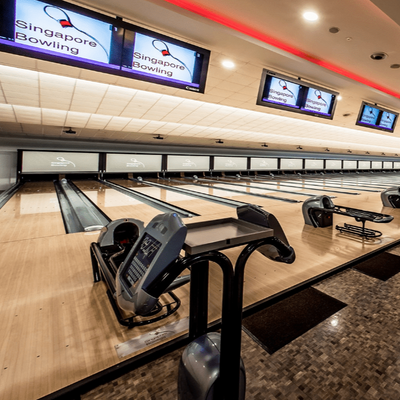
Bring a little sporting action indoors with games adapted to your space. Toss rolled-up socks into a laundry basket, roll a soft ball towards a target or create a bowling lane with lightweight plastic bottles.
Change the distance to make each round easier or harder. Children can design a paper scoreboard and invent team names, or work together to beat a shared score. Keep games away from windows and breakable objects, with plenty of room to move.
11. Journaling and List-Making

Photo: Pexels / Cottonbro
What you’ll need: A notebook or folded sheets of paper, plus writing materials.
Give children a place to collect their thoughts, plans and wonderfully specific opinions. Try lists such as “five things I want to learn”, “places we could explore” or “my ideal birthday menu”.
A journal doesn’t have to be filled with writing. Younger children can draw their answers, while older ones might create a scrapbook of tickets, sketches and handwritten memories. Revisit their pages occasionally—you may discover a ready-made idea for your next family outing.
12. Letter-Writing and Postcards
What you’ll need: Paper or blank cards, pens and envelopes.
Bring back the pleasure of receiving something handwritten! Children can write to grandparents, cousins or friends, or make a thank-you card for someone who has helped them.
Those still learning to write can draw a picture and dictate a message for an adult to record. Decorate the envelope together and, if you’re posting it, make the trip to the letterbox part of the experience. You could also start a family postbox for notes exchanged at home.
13. Nature Spotting

Photo: Pexels / Trung Nguyen
What you’ll need: A notebook, pencil and a suitable outdoor route.
Head out for a walk with a simple mission: notice what’s around you. Look for different leaf shapes, listen for birds or see how many colours you can find along the way.
Children can sketch their discoveries or make tally marks in a notebook. Keep it observational—there’s no need to collect plants or disturb animals. Even a short stroll around the neighbourhood can offer plenty to investigate when you slow down and let children lead the looking.
14. Organising and Donating

Photo: Pexels / Alex Green
What you’ll need: A small collection of belongings and a few labelled containers.
Start with one manageable area, such as a bookshelf or toy drawer. Ask your child to help decide what belongs together, what they still use and what might be ready to pass on.
Make sorting more playful by grouping items by colour, size or type. Let children help choose where things should go afterwards, so the new system makes sense to them. Before donating anything, check the recipient’s current requirements and ensure items are clean, complete and suitable.
15. Painting

Photo: Pexels / Gabby K
What you’ll need: Age-appropriate washable paint, paper, brushes and a protected work surface.
Set up a painting station and let the experimenting begin! Try brushes, sponge printing or folded-paper prints made by adding paint to one side of a sheet and pressing the halves together.
You can suggest a theme, such as an underwater world, or leave the subject entirely up to your child. Put completed pictures aside to dry, then use them as wrapping paper, greeting cards or a rotating display. An old shirt makes a perfectly respectable artist’s uniform.
16. Pretend Play
What you’ll need: Everyday props, toys and a little imagination.
Open a pretend supermarket, veterinary clinic, restaurant or travel agency. Children can make signs, write menus and decide which roles everyone will play.
Use items you already have: soft toys become patients, empty food packaging becomes shop stock, and a notebook becomes an order pad. Join in as a customer and follow your child’s lead. Ask a few questions to keep the story moving—does the café offer takeaway, and why is the teddy bear ordering six breakfasts?
17. Reading Physical Books

Photo: Pexels / Alex Green
What you’ll need: Printed books and a comfortable place to sit.
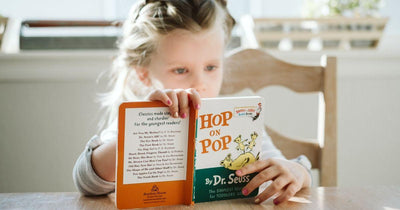
Build a little reading ritual around books your child enjoys. Read aloud together, take turns reading pages or sit side by side with your own books.
Add variety by giving characters different voices, guessing what happens next or asking your child to choose a favourite illustration. For this screen-free list, stick with physical books rather than eBooks. Borrowing books also gives children a chance to refresh their reading pile without buying a new title every time.
18. Scavenger Hunts
What you’ll need: A handwritten list or picture clues.
Create a hunt around your home using things children can find without climbing or moving heavy objects. Start with prompts such as “something round”, “something soft” or “something that begins with B”.
For younger children, draw the objects they need to spot. Older ones can solve riddles leading to a final location. Try a cooperative hunt where everyone works through the clues together, or let children design the next round for the adults.
19. Science Experiments
What you’ll need: Simple household materials suited to your chosen activity.
Invite children to make a prediction, test it and describe what happened. A float-or-sink investigation is an easy place to start: use a shallow container of water and a selection of large, water-safe objects.
Ask children to sort their predictions before testing each item, then draw the results on paper. Another option is folding different paper aeroplanes and comparing how they fly in a clear space. Keep water play supervised and choose experiments that match your child’s abilities.
20. Trying a DIY Activity Kit
What you’ll need: An age-appropriate craft, construction or activity kit.
For days when you’d appreciate someone else doing the preparation, an activity kit can be handy. Look for options with printed instructions, such as simple weaving, model-building, paper crafts or jewellery-making.
Check the recommended age, included materials and level of adult help needed before buying. For a fully screen-free session, choose a kit that can be completed without an app or video tutorial. Afterwards, encourage your child to add a personal twist or invent something new with the remaining materials.
Lastly, throwing in a classic that never fails…
Make Your Own Screen-Free Activity Jar
Write these ideas on slips of paper and place them in a jar. When the familiar “What can I do?” arrives, let your child pick two and choose between them.
Keep a mix of quiet activities, movement games and things you can enjoy together. There’s no need to turn every afternoon into a full programme—sometimes a small invitation to play is all it takes.